
Quickly recaptiualize real-time interfaces and timely models. Proactively exploit viral meta-services for interdependent customer service. Dynamically actualize bleeding-edge internally
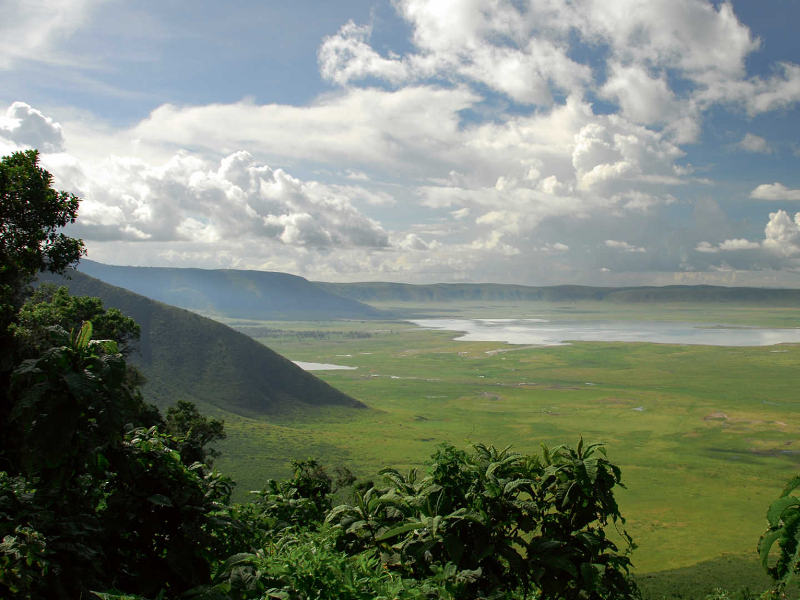
Nestled in the heart of northern Tanzania, the Ngorongoro Crater stands as one of the most breathtaking natural wonders on the planet. Geologists identify this massive landscape as the world’s largest inactive, intact, and unfilled volcanic caldera. While it began as a towering volcano that rivaled Mount Kilimanjaro in height, it eventually collapsed inward roughly three million years ago. Consequently, this dramatic geological event created a self-contained ecosystem that flourishes within its 600-meter-deep walls.
Ngorongoro Conservation Area (NCA) is a Unesco World Heritage Site located 180 km west of Arusha in the Crater Highlands area of Tanzania. The Crater, a large volcanic caldera within the area is recognized as one of the seven natural wonders of the world.
The main Ngorongoro Conservation Area feature is the Ngorongoro Crater, the world’s largest inactive, intact and unfilled volcanic caldera, formed when the large volcano exploded and collapsed on itself 2-3 million years ago, is 2,000 feet deep and its floor covers 260 sq km. Its diameter is approximately 19 kilometers.
Furthermore, the crater serves as a vibrant sanctuary for an incredible density of African wildlife. Because the steep walls act as a natural enclosure, over 25,000 large animals reside on the crater floor year-round. Tourists frequently spot the “Big Five” here, including the rare black rhinoceros. Additionally, the alkaline waters of Lake Magadi draw thousands of flamingos, which paint the horizon in brilliant shades of pink.
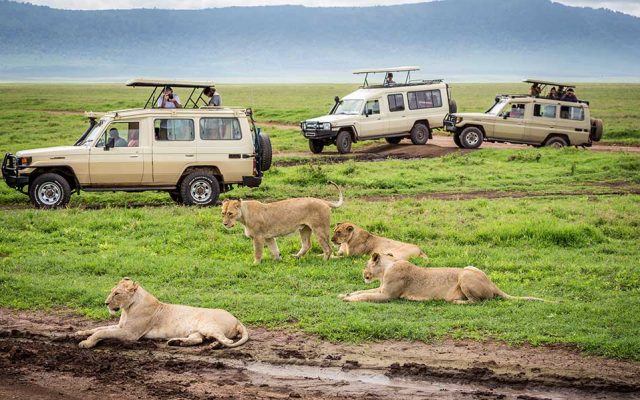
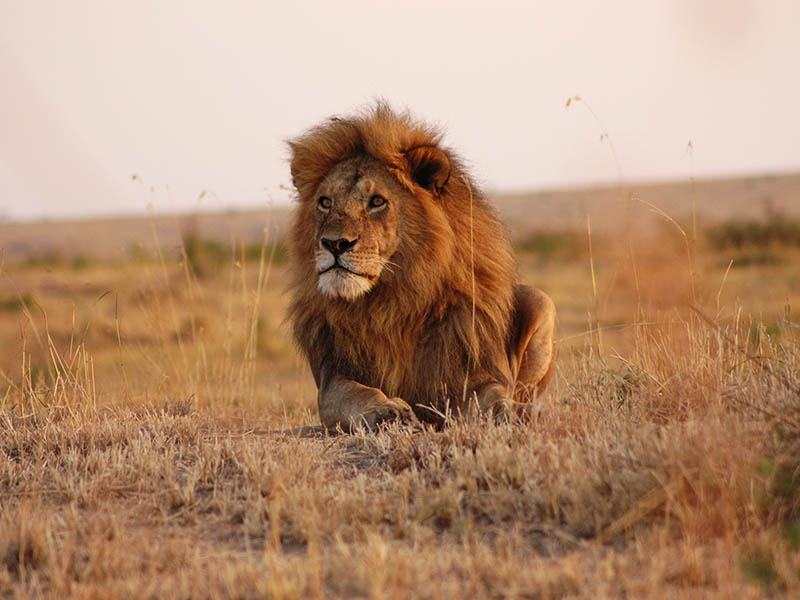
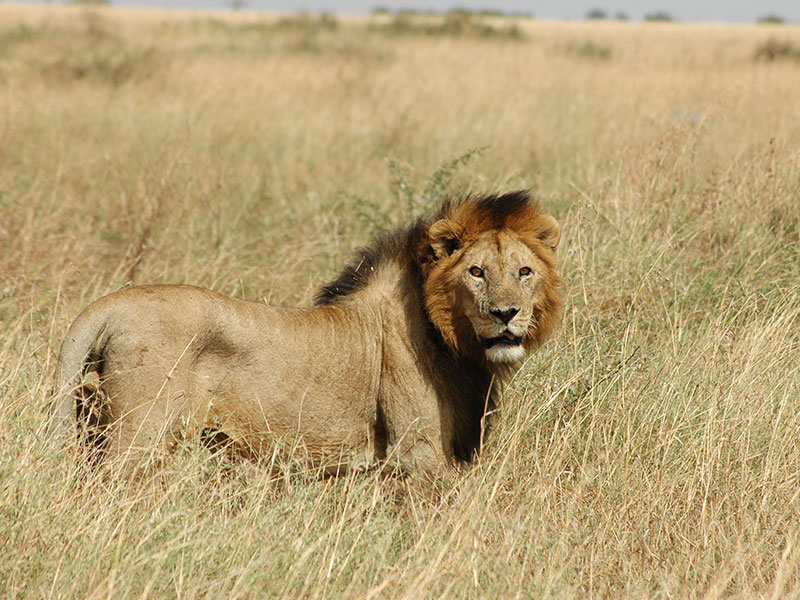
Ngorongoro Crater is one of the most likely areas in Tanzania to see the endangered Black Rhino, as a small population is thriving in this idyllic and protected environment. It is currently one of the few areas where they continue to breed in the wild. Your chances of encountering leopard here are also good, and fabulous black-maned lions.
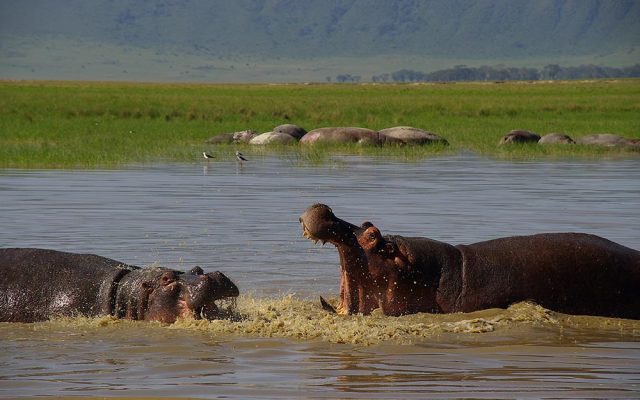
The Crater includes most of the animal species found in East Africa. Beside the endangered black rhino, you can encounter hippo, wildebeest, zebra, common eland, gazelles, waterbuck and warthogs. Lake Madagi, a large lake in the southwest of the crater is inhabited by thousands of flamingos.
The Crater has more of the big cats per square km than anywhere else in Africa!
Beyond its biological richness, the region holds deep cultural and historical importance. The surrounding Ngorongoro Conservation Area supports a unique co-existence between the semi-nomadic Maasai people and the local flora and fauna. Meanwhile, nearby sites like Olduvai Gorge provide critical evidence of early human evolution. Ultimately, the Ngorongoro Crater represents more than just a scenic backdrop; it functions as a prehistoric time capsule that continues to captivate scientists and travelers alike.