
Quickly recaptiualize real-time interfaces and timely models. Proactively exploit viral meta-services for interdependent customer service. Dynamically actualize bleeding-edge internally
Visit Karatu Coffee Farms and Plantations while on Safari in Tanzania to popular northern Tanzania Destinations like Serengeti, Lake Manyara and Ngorongoro Crater.
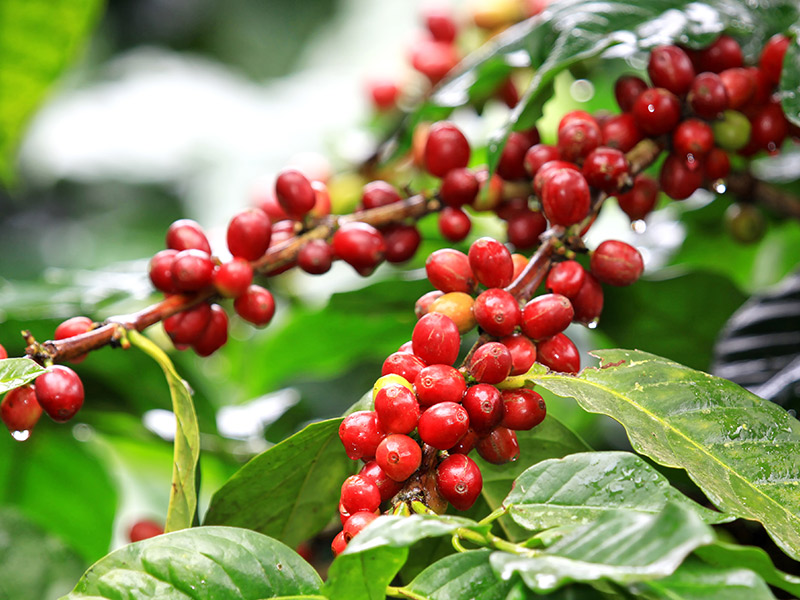
Karatu serves as a premier gateway to the Tanzanian highlands, where the fertile volcanic soil of the Ngorongoro Crater creates an exceptional environment for coffee cultivation. Because the region sits at a high altitude, the coffee cherries ripen slowly and develop a signature bright acidity combined with deep, chocolatey undertones. Farmers primarily plant the Bourbon and Kent varieties here, tending to their crops with meticulous care throughout the growing season.
The farm area on the edge of Ngorongoro Crater covers an area of 600 hectares and is as diverse as the nature that surrounds it. An unforgettable experience in a unique landscape with coffee trees lined up in the fields, protected by umbrella acacias from too much sun, and bordering directly to the Ngorongoro National Park.
Depending on the season, visitors’ can experience at first-hand how coffee trees are planted and pruned, coffee berries are harvested and fermented, or how the beans are dried and sorted. A comprehensive introduction given in our visitors’ center, followed by a walk through our fields with one of our coffee guides will provide you with great insights into our farm history, growing processes and culture.
The processing methods used in Karatu distinguish its harvest from other global regions.
Selective Picking: Harvesters hand-pick only the deepest red cherries to ensure peak sugar content.
Wet Processing: After the harvest, workers immediately pulp the cherries and ferment them in clean water tanks to remove the mucilage.
Sun Drying: Finally, the beans rest on raised African drying beds, where the sun and mountain breezes reduce moisture levels to a perfect 10% to 12%.
Consequently, these labor-intensive practices yield a clean, vibrant cup that consistently impresses international cuppers. While many estates operate on a large scale, smallholder cooperatives also thrive by pooling their resources to maintain high quality standards. As a result, Karatu remains a cornerstone of the Tanzanian coffee industry, offering a sensory experience that reflects the unique terroir of the Rift Valley.